Haripradad Ranganathan
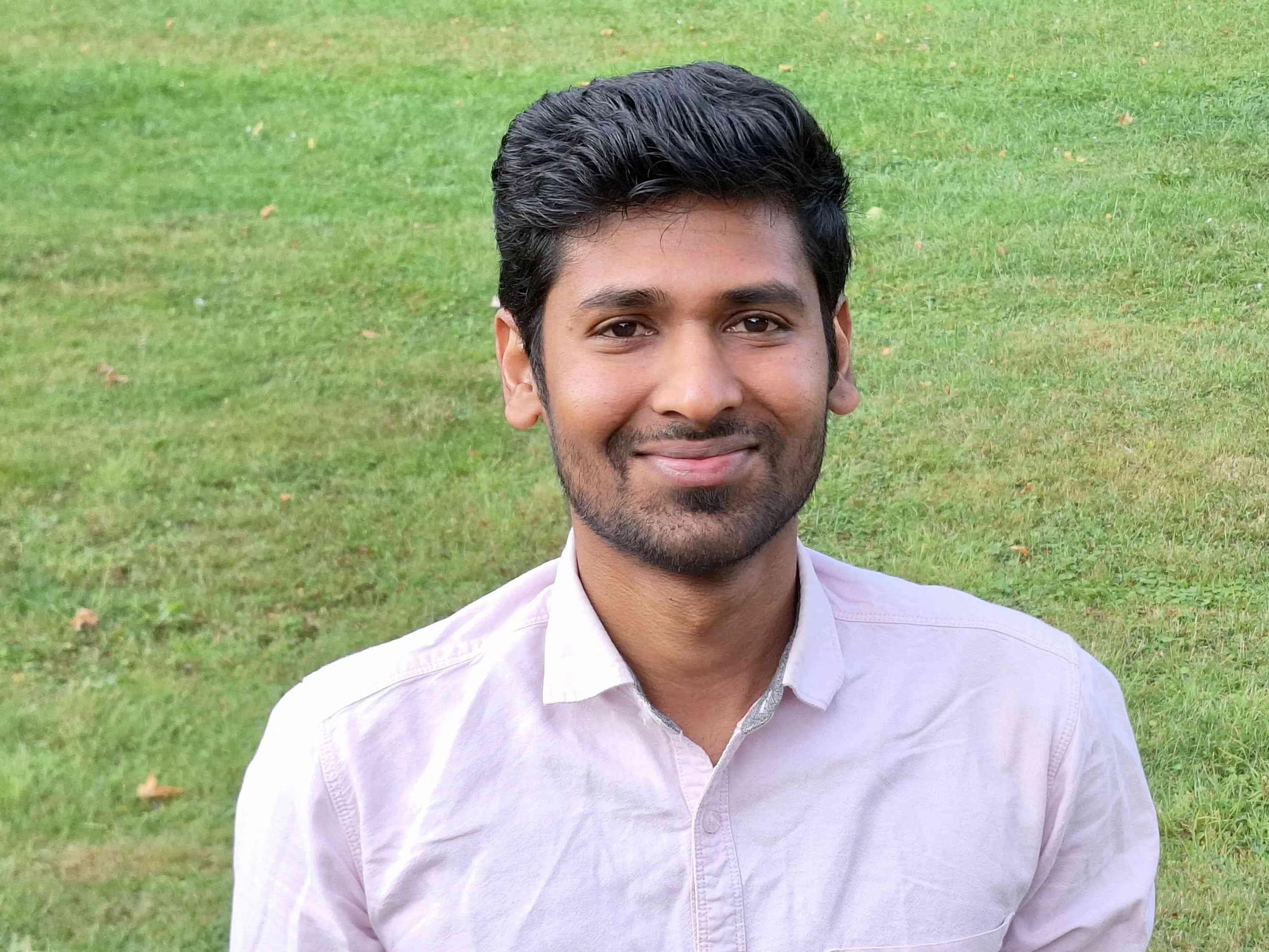
Doktorand
Telefon: +49 228 73-3147
hrangana (at) uni-bonn.de
2. OG, Zimmer 2.003
Gerhard-Domagk-Straße 1
D-53121 Bonn
Wissenschaftliche Laufbahn
Hariprasad Ranganathan erwarb 2020 seinen Master-Abschluss in Energiespeicher- und Umwandlungstechnik an der Jeonbuk National University (JBNU) in Südkorea. Als wissenschaftlicher Mitarbeiter unter der Leitung von Prof. Dong Jin Yoo am Institut für Energiespeicher- und Umwandlungstechnik konzentrierte er sich in seiner Forschung auf die Entwicklung von Polymerelektrolytmembranen für Protonenaustauschmembran-Brennstoffzellen (PEMFCs).
Im Jahr 2021 erhielt er das UNESCO Chair MATECSS Excellence Stipendium, um am Institut National de la Recherche Scientifique (INRS) in Kanada zu forschen, wo er an der Entwicklung von Katalysatormaterialien für Brennstoffzellen und Batterien arbeitete.
Seit 2023 arbeitet Hariprasad als wissenschaftlicher Mitarbeiter bei Prof. Nikolay Kornienko an der Universität Bonn und konzentriert sich im Rahmen seiner Promotion auf die Entwicklung von Katalysatoren und Membran-Elektroden-Einheiten (MEA) zur elektrochemischen Energieumwandlung und -speicherung. Seine Arbeit zielt darauf ab, sowohl die Entwicklung als auch das mechanistische Verständnis von Nicht-Edelmetallkatalysatoren für nachhaltige elektrochemische Reaktionen voranzutreiben, darunter Sauerstoffreduktion (ORR), Stickstoffoxidation (N2OR) und Kohlendioxidreduktion (CO2RR). Er ist besonders motiviert, die Oberflächenchemie dieser Katalysatoren zu erforschen, wobei der Schwerpunkt auf Zwischenprodukt-Gas-Wechselwirkungen und reaktiven Gasadsorptions-Desorptionsprozessen liegt.
Forschung
- Katalysatoren aus Nichtedelmetallen
- Temperatur-programmierte Desorption
- In-situ-Analyse und Protonenaustauschmembrane
Lehre
- BCh 20 2.1 Qualitative Analyse II
- BChLA 2.1 Qualitativ- analytisches und präparatives Praktikum
Publikationen
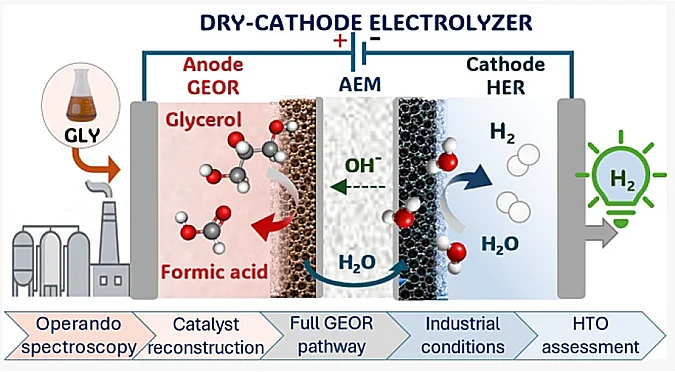
[9] Operando-Induced Surface Reconstruction of NiSe2 for Efficient Glycerol Electrooxidation toward Enhanced Hydrogen Production
Thi-Hong-Hanh Le, Michele Ferri, Stefano Americo, Gabriele Saleh, Sebastiano Bellani, Francesco De Boni, Andrea Griesi, Volker Bendisch, Hossein Bemana, Shuai Yan, Shuai Chen, Hariprasad Ranganathan, Daiki Kido, Giorgio Divitini, Andrea Riva, Nikolay Kornienko, Liberato Manna
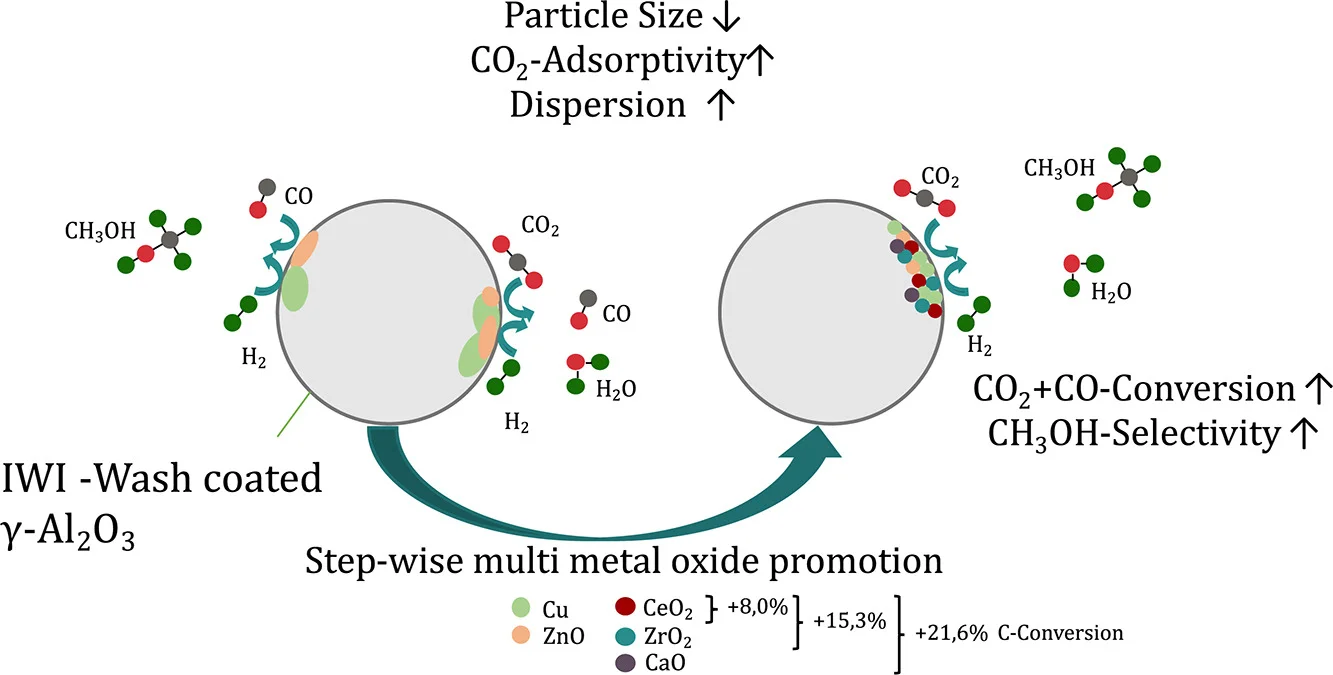
[8] CO2- and CO-Conversion to Methanol over promoted CuO/ZnO-based infiltration composite catalyst spheres — Characterization, experimentals and comparative reaction kinetics
Carl Fritsch, Andreas Serwe, Sven Jovanovic, Hariprasad Ranganathan, Marcus Hans, Andreas Hutzler, Jürgen Dornseiffer, Nikolay Kornienko
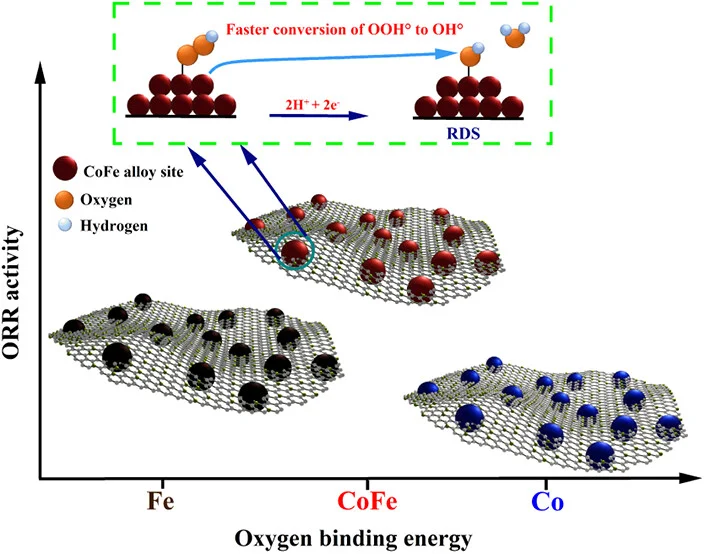
[7] Insights into Bimetallic CoFe Nanoparticles Incorporated on N-Doped Carbon Nanosheets toward Acidic Oxygen Reduction Reaction
Hariprasad Ranganathan, Hossein Bemana, Alexandre Terry, Shuai Chen, Nikolay Kornienko
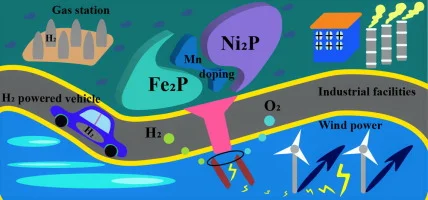
[6] Mn-doped nickel–iron phosphide heterointerface nanoflowers for efficient alkaline freshwater/seawater splitting at high current densities
Yuanzhi Luo, Pan Wang, Gaixia Zhang, Sisi Wu, Zhangsen Chen, Hariprasad Ranganathan, Shuhui Sun, Zhicong Shi
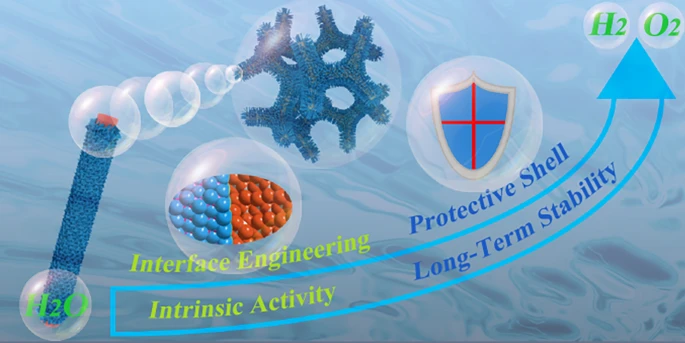
[5] Interface Engineering of NixSy@MnOxHy Nanorods to Efficiently Enhance Overall-Water-Splitting Activity and Stability
Pan Wang, Yuanzhi Luo, Gaixia Zhang, Zhangsen Chen, Hariprasad Ranganathan, Shuhui Sun, Zhicong Shi
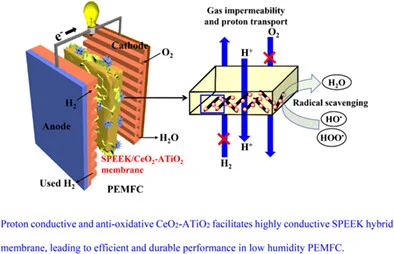
[4] Simultaneous improvement of power density and durability of sulfonated poly(ether ether ketone) membrane by embedding CeO2-ATiO2: A comprehensive study in low humidity proton exchange membrane fuel cells
Hariprasad Ranganathan, Mohanraj Vinothkannan, Ae Rhan Kim, Vijayapradeep Subramanian, Min-Suk Oh, Dong Jin Yoo
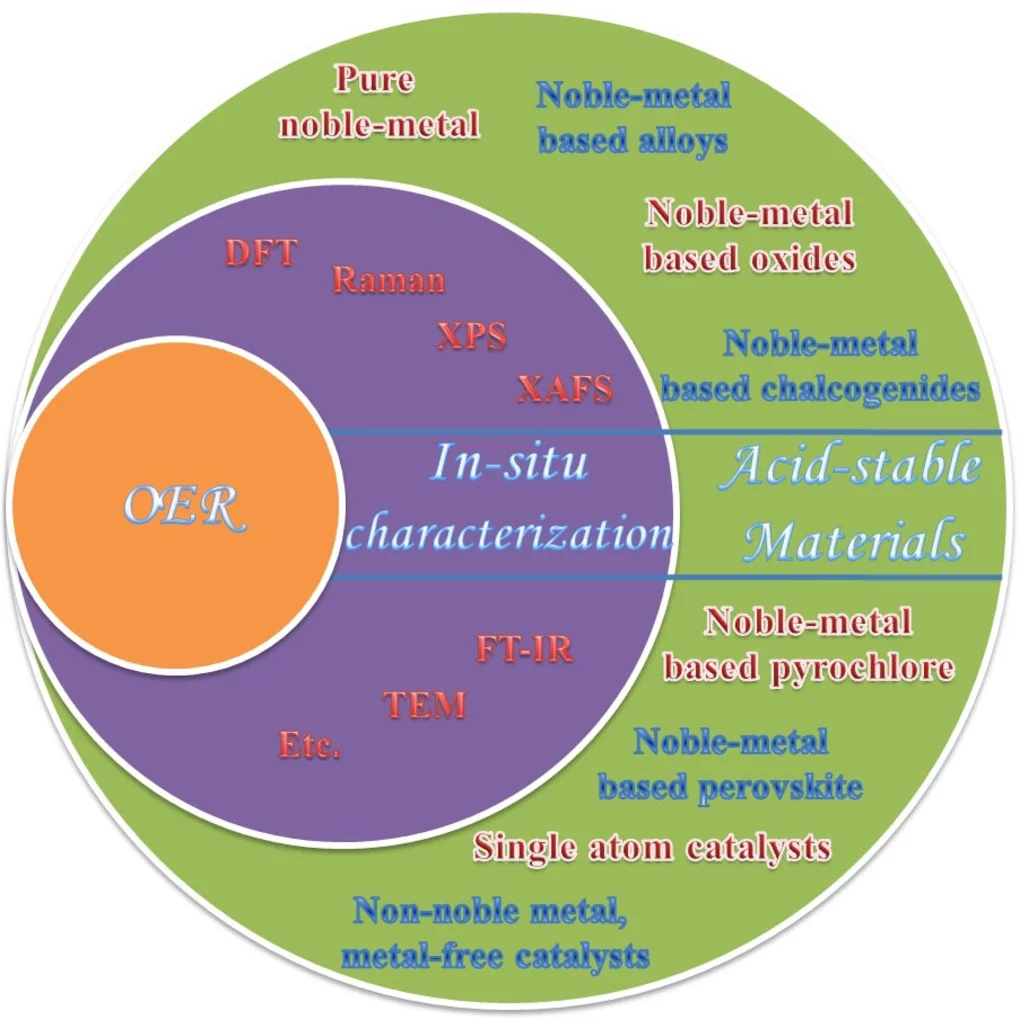
[3] Electrocatalytic Oxygen Evolution Reaction in Acidic Conditions: Recent Progress and Perspectives
Dr. Zonghua Pu, Dr. Tingting Liu, Dr. Gaixia Zhang, Hariprasad Ranganathan, Prof. Zhangxing Chen, Prof. Shuhui Sun
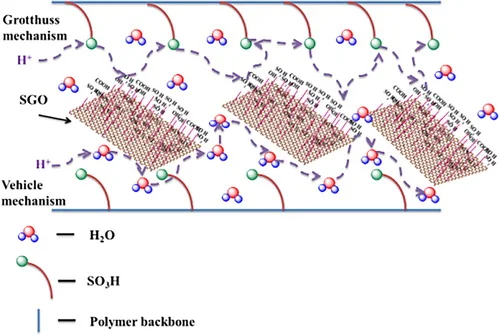
[2] SPVdF-HFP/SGO nanohybrid proton exchange membrane for the applications of direct methanol fuel cells
Hariprasad Ranganathan, Mohanraj Vinothkannan, Ae Rhan Kim, Dong Jin Yoo
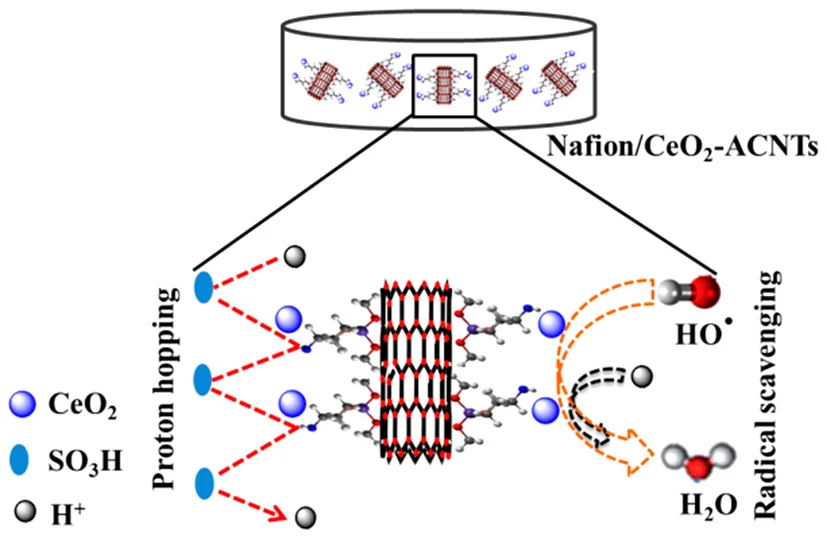
[1] Potential Bifunctional Filler (CeO2–ACNTs) for Nafion Matrix toward Extended Electrochemical Power Density and Durability in Proton-Exchange Membrane Fuel Cells Operating at Reduced Relative Humidity
Mohanraj Vinothkannan, Ranganathan Hariprasad, S. Ramakrishnan, Ae Rhan Kim, Dong Jin Yoo